Introduction
IPSC (International Practical Shooting Confederation) competition has actually had a substantial impact on target innovation. With its focus on speed, precision, and useful shooting skills, IPSC has actually pushed producers to develop brand-new and better targets to satisfy the needs of this competitive sport. In this post, we will explore the methods which IPSC competition has driven target innovation and how it has formed the landscape of shooting sports.
The Advancement of IPSC Targets
The Need for Accuracy: IPSC Targets that Set the Standard
When IPSC was first developed, there was a requirement for targets that could precisely represent the human body. Traditional paper targets were not enough in supplying reasonable situations for shooters. As an outcome, IPSC targets were developed to simulate the size and shape of different body parts.
The Impact of IPSC Competitors on Target Development can be seen in the advancement of cardboard and steel targets that are used in IPSC matches. These targets are designed to supply instant feedback to shooters by producing a clear audible or visual signal when struck. This encourages accuracy and helps rivals to enhance their shooting skills.
Advancements in Product: Resilience and Reusability
As IPSC acquired appeal, there was a need for more long lasting and multiple-use targets. Paper targets would typically tear or end up being unusable after only a few rounds of shooting. This led makers to explore alternative products such as cardboard, steel, and polymer.
Cardboard targets ended up being popular due to their price and ease of usage. They provided better durability compared to paper targets but did not have durability. Steel targets emerged as a service for toughness however had restrictions in regards to mobility. Polymer targets ultimately entered the marketplace, integrating durability with portability.
Reactive Targets: Enhancing Shooter Experience
To add an aspect of enjoyment and challenge to IPSC competitors, reactive targets were presented. These targets are created to react to bullet effects, supplying instant visual or auditory feedback. Reactive targets enhance the shooter experience by simulating practical scenarios where fast decision-making is crucial.
The Impact of IPSC Competition on Target Innovation can be seen in the advancement of reactive targets that can imitating various real-life scenarios. Targets that fall, spin, or swing when hit obstacle shooters to react rapidly and make precise shots.
IPSC Action Air: A New Measurement to Target Innovation
The Increase of IPSC Action Air
IPSC Action Air is a variation of IPSC that uses airsoft weapons instead of live ammo. This discipline allows shooters to practice their abilities in a safe and regulated environment. IPSC Action Air has actually gotten appeal in recent years and has brought about new opportunities for target innovation.
IPSC Action Air Targets: Emulating Sensible Scenarios
The Impact of IPSC Competitors on Target Innovation can be seen in the development of specialized targets for IPSC Action Air. These targets are developed to replicate real-life situations where shooters should engage several targets rapidly and accurately. By utilizing airsoft weapons, shooters can practice their shooting skills without the need for a conventional shooting range.
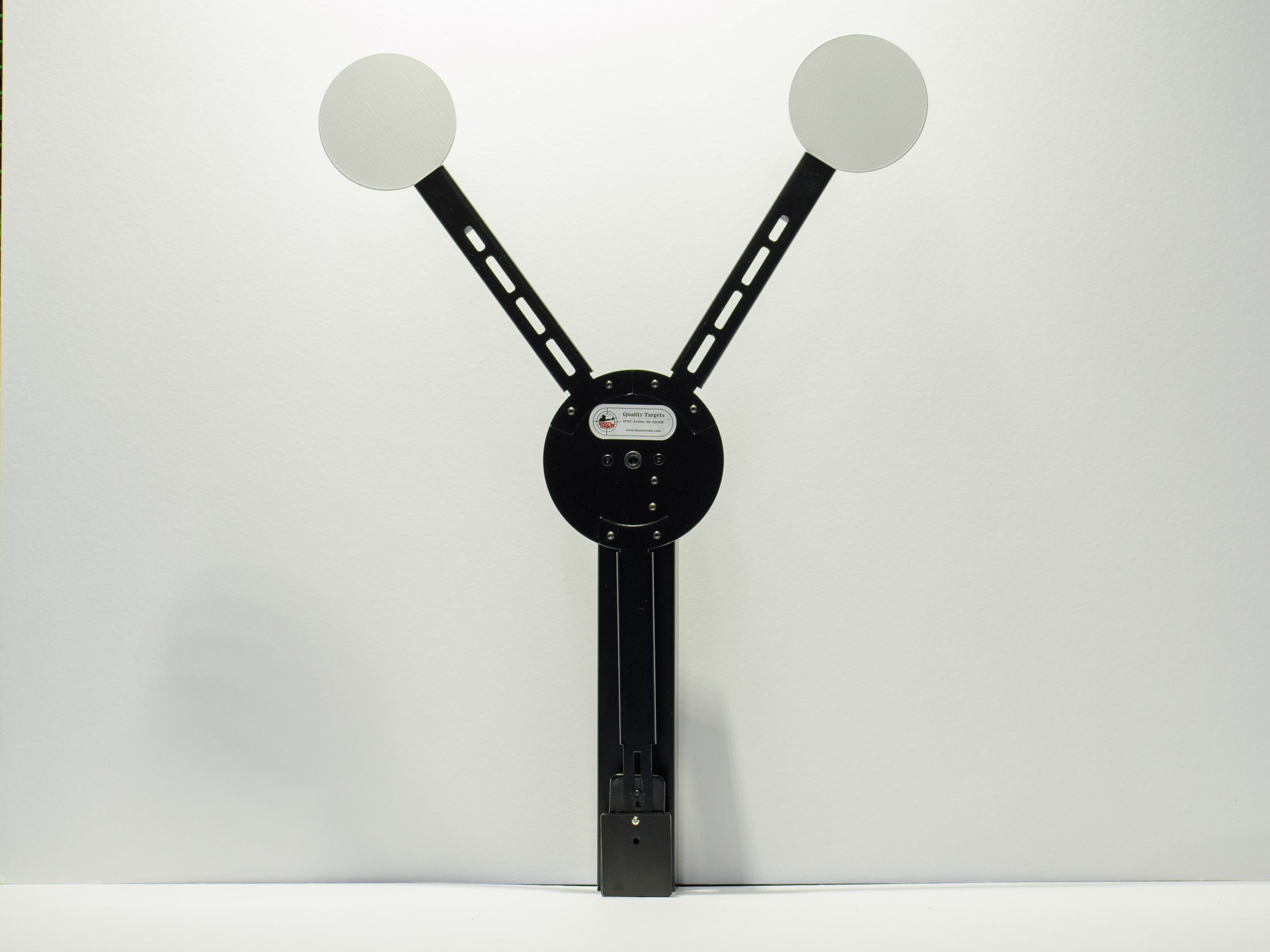
IPSC Action Air targets are typically made from durable materials such as polymer or steel, making sure durability and reusability. They are likewise developed to supply instant feedback, allowing shooters to track their development and enhance their performance.
IPSC Equipment and Equipment: Enhancing Performance
Holsters: Quick and Protect Access
Holsters play a vital role in IPSC competitors as shooters require to draw their firearms rapidly and safely. The Impact of IPSC Competition on Target Development can be seen in the advancement of holsters that supply both speed and security.
Modern holsters include adjustable retention systems, enabling shooters to personalize the level of retention based on their choices. They likewise integrate quick-release mechanisms for faster draws. Makers constantly strive to improve holster styles to satisfy the needs of IPSC competitors.
Magazines: Capability and Reliability
IPSC competitions typically need shooters to engage numerous targets in fast succession. This necessitates using high-capacity publications that can hold a large number of rounds. The Impact of IPSC Competition on Target Innovation can be seen in the development of magazines that use both capacity and reliability.
Manufacturers have actually presented extended publications with increased round capability, allowing shooters to engage more targets without having to reload as regularly. These publications are also created to feed ammo efficiently, reducing the opportunities of malfunctions during intense shooting stages.
IPSC Premium Targets: Taking Shooting Experience to the Next Level
The Demand for Premium Targets
As IPSC competitions continue to grow in appeal, there is an increasing demand for premium targets that offer superior resilience, performance, and aesthetic appeals. Premium targets are developed to withstand countless rounds without significant wear and tear, making sure a lasting investment for shooters.
The Impact of IPSC Competitors on Target Innovation can be seen in the advancement of premium targets that integrate advanced products and building strategies. These targets frequently feature self-sealing properties, permitting them to take in bullet impacts while maintaining their shape and functionality.
Moving Targets: Adding Complexity to Shooting Stages
To more challenge shooters and replicate real-life scenarios, moving targets have become progressively popular in IPSC competitions. The Impact of IPSC Competitors on Target Development can be seen in the development of motorized targets that move horizontally or vertically throughout shooting stages.
Moving targets require shooters to track their movement and make accurate shots while under time pressure. These targets add complexity and enjoyment to IPSC matches, pressing rivals to boost their shooting skills and reaction times.
The Influence of IPSC Competition on Variety Equipment
Props and Obstacles: Replicating Real-Life Environments
IPSC competitions often feature props and barriers that simulate real-life environments where self-defense scenarios might occur. These props include walls, barriers, and doorways, which shooters should browse while engaging targets.
The Influence of IPSC Competitors on Target Development can be seen in the advancement of variety devices that enhances shooter experience and replicates reasonable scenarios. Makers have introduced modular props that can be quickly set up and adjusted to create different shooting stages. These props are developed to be portable and durable, allowing them to withstand frequent assembly and disassembly.
FAQs
Q: How has IPSC competition affected target innovation?
A: IPSC competitors has actually driven target innovation by pushing producers to airsoft targets for sale develop realistic targets that offer immediate feedback. It has actually also resulted in developments in products, such as cardboard, steel, and polymer, for improved resilience and reusability.
Q: What are reactive targets?
A: Reactive targets are targets that respond to bullet effects, providing instant visual or auditory feedback. These targets enhance the shooter experience by imitating realistic situations where fast decision-making is crucial.
Q: What is IPSC Action Air?
A: IPSC Action Air is a version of IPSC that utilizes airsoft weapons instead of live ammo. It permits shooters to practice their abilities in a safe and controlled environment.
Q: How have holsters developed in IPSC competitions?
A: Holsters have evolved to offer both speed and security in IPSC competitions. They include adjustable retention systems and quick-release mechanisms for faster draws.
Q: What are superior targets?
A: Premium targets are targets that use superior durability, performance, and aesthetic appeals. They are developed to stand up to thousands of rounds without substantial wear and tear.
Q: How have moving targets affected IPSC competitions?
A: Moving targets have included intricacy and enjoyment to IPSC matches. Motorized targets that move horizontally or vertically need shooters to track their movement and make accurate shots while under time pressure.
Conclusion
The Impact of IPSC Competition on Target Development can not be understated. Through its focus on speed, precision, and useful shooting abilities, IPSC has actually driven producers to establish brand-new and improved targets that provide instant feedback and mimic practical situations. From the development of IPSC targets to the introduction of IPSC Action Air and premium targets, this competitive sport has formed the landscape of shooting sports and continues to press the limits of target development. With developments in gear, equipment, and range props, IPSC competitors offer shooters a difficult and immersive experience that boosts their abilities and prepares them for real-life self-defense situations.