Introduction
In the world of competitive shooting, IPSC (International Practical Shooting Confederation) is a popular and difficult sport that requires precision, speed, and accuracy. To master this sport, shooters need to train carefully and master numerous elements of shooting methods. One important element of IPSC training is mastering cardboard targets, which are utilized to simulate real-world shooting scenarios. In this post, we will explore the value of IPSC cardboard targets and supply important insights on how to accomplish success in mastering them.
Why IPSC Targets Matter
IPSC targets play a crucial function in training shooters for real-life situations. These targets are designed to mimic human shapes and are typically made from cardboard. They come in different shapes and sizes, ranging from full-sized humanoid targets to partial or miniaturized versions. By practicing with these targets, shooters can improve their marksmanship abilities, speed, and decision-making abilities.
The Function of IPSC Cardboard Targets in Training
Enhancing Precision and Precision
Aiming for Success: Mastering IPSC Cardboard Targets requires shooters to establish exceptional accuracy and accuracy. These targets include scoring zones that reward precise shots with higher points. By consistently engaging with these targets throughout practice sessions, shooters learn to go for specific locations such as the head or center mass. This concentrate on accuracy helps enhance overall precision when engaging real-world threats.
Simulating Real-Life Scenarios
IPSC cardboard targets are developed to imitate real-life scenarios experienced by law enforcement officers or armed civilians. They typically include different visual triggers such as "hostage" circumstances or "shoot/no-shoot" situations. By training with these reasonable simulations, shooters can establish fast decision-making skills while under pressure. This is vital for effectively navigating high-stress scenarios where split-second choices can indicate the difference between success and failure.
Improving Speed and Reaction Time
IPSC competitions are known for their emphasis on speed. Shooters are needed to engage multiple targets within a brief duration, typically while moving in between shooting positions. By practicing with IPSC cardboard targets, shooters can improve their response time and speed in target engagement. This training equates into faster draw times, quicker target shifts, and overall better performance in IPSC competitions.
Choosing Quality IPSC Cardboard Targets
To efficiently train for IPSC competitions, it is necessary to select top quality cardboard targets that precisely simulate real-world situations. Here are some crucial elements to think about when selecting IPSC cardboard targets:
Durability: Look for targets made from durable corrugated cardboard that can hold up against duplicated hits without tearing or falling apart.
Scoring Zone Clarity: Make sure that the scoring zones on the target are plainly specified and simple to differentiate, permitting precise score tracking during training sessions.
Realistic Design: Choose targets that carefully look like human silhouettes to replicate real-life shooting scenarios more effectively.
Versatility: Pick targets that can be easily tailored to fit numerous training situations by adding attachments or overlays.
Affordability: Think about the cost-effectiveness of the targets without compromising on quality or durability.
One brand name that meets these criteria is Shoot N' Train IPSC Targets. Their top quality cardboard targets use remarkable durability, clear scoring zones, practical styles, flexibility, and cost - making them an ideal option for shooters aiming for success in mastering IPSC cardboard targets.
Frequently Asked Questions (FAQs)
1. Are IPSC cardboard targets suitable for beginners?
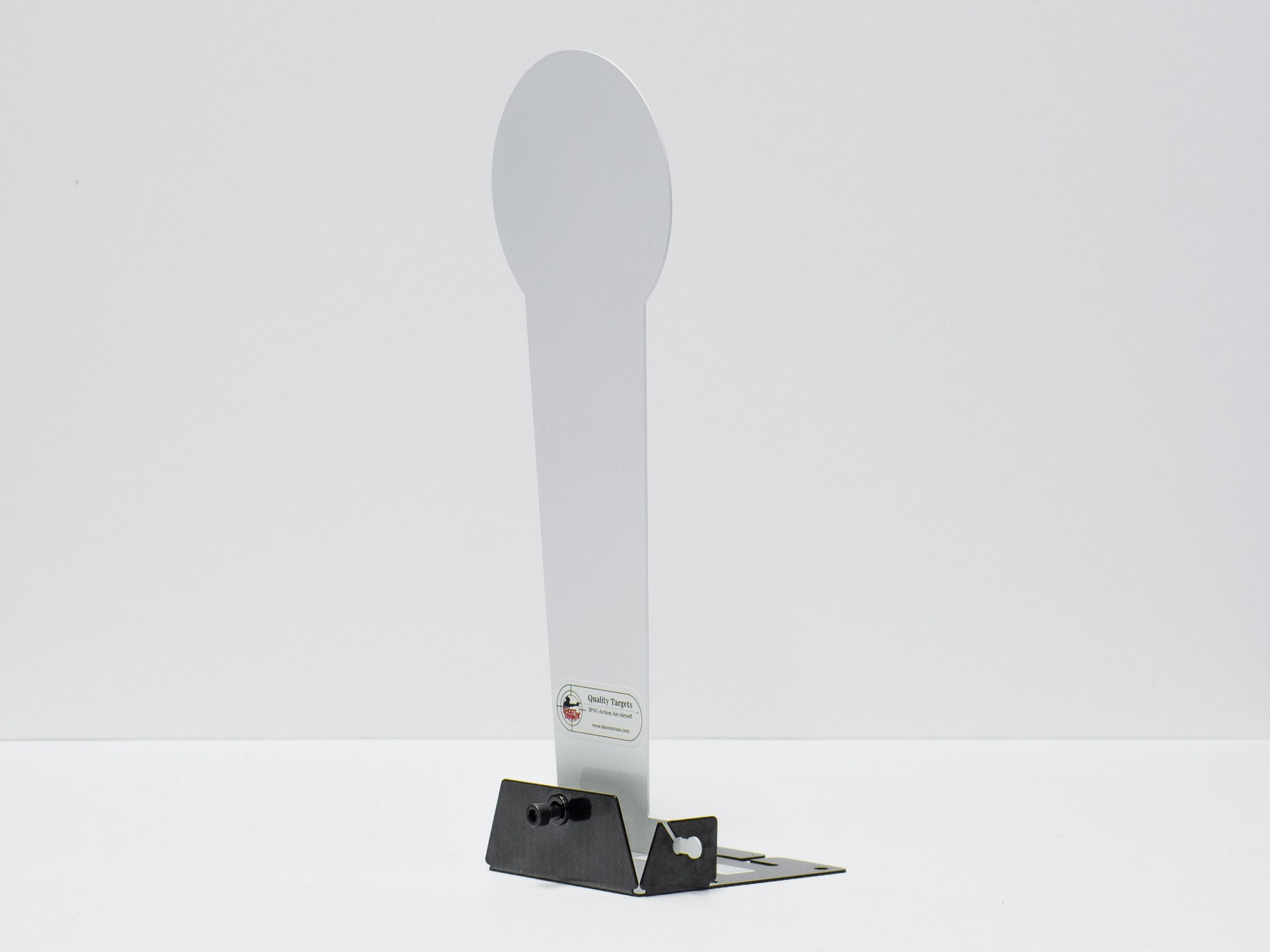
Yes, IPSC cardboard targets appropriate for shooters of all ability levels. Beginners can take advantage of experimenting these targets as they provide a realistic simulation of shooting circumstances come across in real-life situations.
2. How typically ought to I practice with IPSC cardboard targets?
Consistency is type in mastering IPSC cardboard targets. It is suggested to practice a minimum of two times a week, committing enough time to develop precision, speed, and decision-making skills.
3. Can I use IPSC cardboard targets for other shooting disciplines?
While IPSC cardboard targets are mostly designed for IPSC competitors, they can be valuable training help for shooters involved in other shooting disciplines too. The principles of accuracy, precision, and speed equate across different shooting sports.
4. Are Shoot N' Train IPSC Targets suitable for outside use?
Yes, Shoot N' Train IPSC Targets are developed to stand up to outside conditions. Their long lasting building makes sure that they remain intact even when exposed to different weather condition conditions.
5. How do I establish IPSC cardboard targets for training sessions?
IPSC cardboard targets can be easily ipsc practice mini targets established utilizing target stands or mounting systems particularly created for this function. Guarantee that the targets are placed in a safe area with an appropriate background to catch any stray rounds.
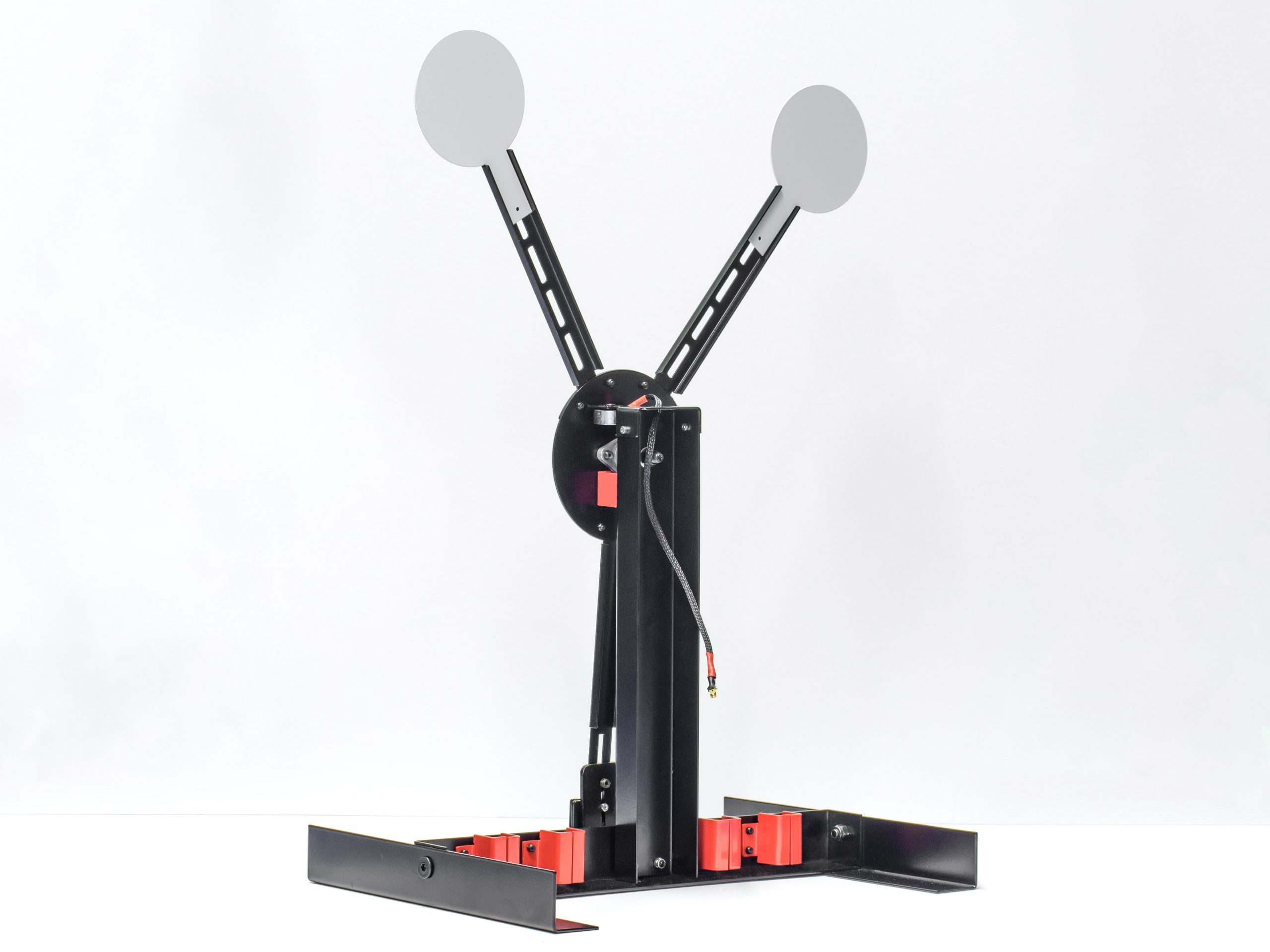

6. Can I tailor Shoot N' Train IPSC Targets for specific training scenarios?
Yes, Shoot N' Train IPSC Targets offer personalization alternatives such as attachable overlays or attachments that enable you to develop various situations and improve the training experience.
Conclusion
Mastering IPSC cardboard targets is a vital action towards achieving success in competitive shooting. By incorporating these targets into your training routine and following the suggestions detailed in this short article, you can boost your precision, accuracy, decision-making skills, and total efficiency in IPSC competitions. Remember to select quality targets like Shoot N' Train IPSC Targets to ensure a sensible and efficient training experience. So, goal high, practice regularly, and work towards mastering IPSC cardboard targets - your ticket to success worldwide of competitive shooting!